
Imagine a world where industries rely on materials that are efficient, durable, and cost-effective. Flat steel sheets are increasingly becoming the go-to choice for a multitude of applications. In fact, the market for flat steel sheets has seen a significant uptick—did you know that demand has surged by over 20% in the last five years? This surge underscores the value of flat steel sheets, which are crucial components in various sectors ranging from construction to automotive manufacturing.
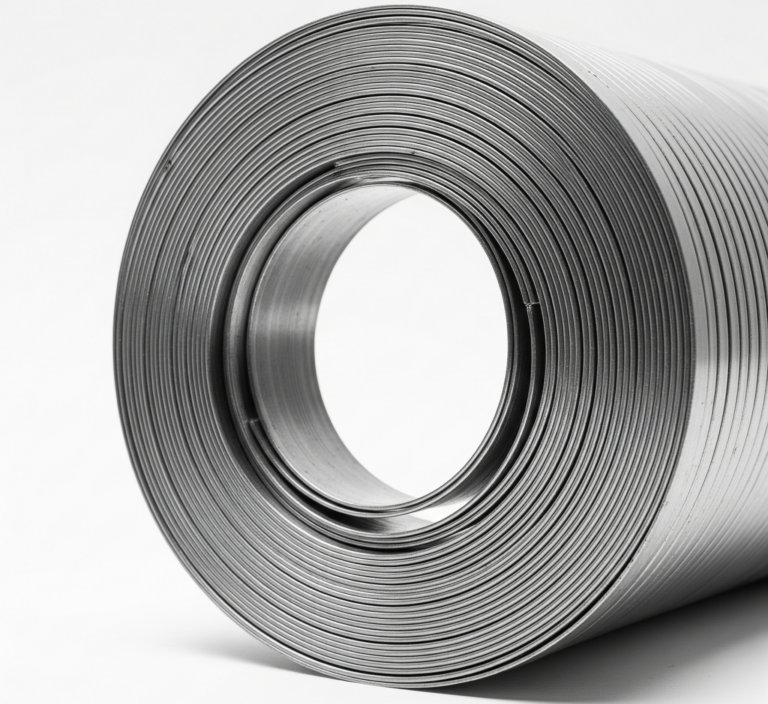
Flaws in Traditional Steel Solutions
Traditional solutions using thicker steel plates often encounter significant drawbacks—namely weight and processing difficulties. These challenges can impede project timelines and inflate costs, leading many engineers to seek alternatives. Have you ever wondered why these failures occur so frequently? The rigidity of such materials often limits usability and requires extensive machining, which impacts overall efficiency. It’s clear that outdated practices may not serve today’s innovative needs.
Principles Behind New Steel Technologies
Recent advancements in flat steel sheet technology have revolutionized how manufacturers approach design and scalability. The principles of strength-to-weight ratio and enhanced ductility in modern flat steel sheets enable more efficient fabrication. This evolution towards innovative production techniques, such as cold rolling and advanced alloying, makes it easier for industries to adapt and innovate. Look, it’s simpler than you think; advancements in steel processing have broadened the landscape of possibilities, allowing for lighter, more resilient products that stand the test of time. As such, these innovations address common pitfalls faced in traditional manufacturing methods.
Quantified Benefits for Users
Users of flat steel sheets can experience tangible benefits—namely, cost savings, improved performance, and reduced weight. By opting for high-quality flat steel, businesses can minimize waste during production and enhance their overall operational efficiency. Studies indicate that companies leveraging advanced flat steel techniques see a reduction in operational costs of up to 15%. The benefits are clear: more robust materials can yield a higher return on investment, whether in manufacturing, construction, or automotive applications.
Key Metrics for Choosing Solutions
So, how do you choose the right flat steel sheet for your needs? Always verify these three metrics: 1) material thickness; 2) tensile strength; and 3) supplier reputation. Assessing these factors ensures that you make an informed decision that aligns with your project requirements. With advancements in flat steel sheet technology, the potential gains in efficiency and cost-effectiveness are essential to staying ahead in a competitive market.
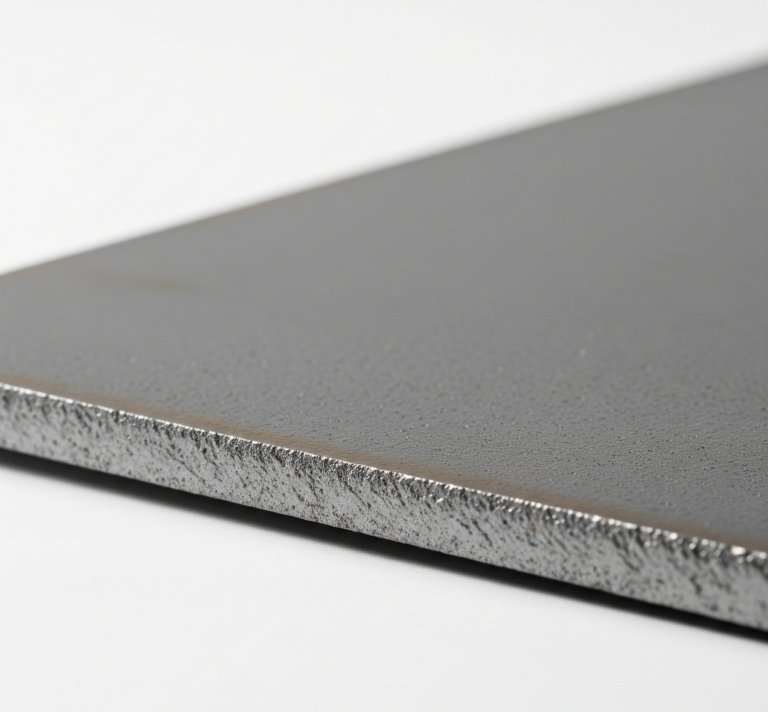
The Role of Hot-Rolled Steel Plates in Industry
In the realm of steel products, Hot-rolled Steel Plate stands out for its versatility and strength. When heated above its recrystallization temperature, hot-rolled steel becomes malleable, allowing for easy shaping and formation into various structural components. This process not only enhances the material’s structural integrity but also provides a cost-effective solution for manufacturers looking to streamline production. Since hot-rolled plates are readily available and easy to source, they’re preferred for applications that demand both performance and durability.
Applications of Hot-Rolled Steel Plates
Hot-rolled steel plates are widely utilized in construction, automotive, and manufacturing sectors due to their strength and affordability. The unique properties of these plates allow engineers to design structures that are strong yet lightweight, maximizing efficiency. Whether it’s for beams, frames, or industrial machinery, hot-rolled steel plates provide the backbone for construction and production. With the ongoing evolution in technology, the future looks bright for manufacturers who embrace the benefits of hot-rolled steel plates, paving the way for innovative designs that will stand the test of time.
The Importance of Flat Steel Plates in Modern Manufacturing
Flat steel plates serve as the foundation for many modern manufacturing processes. With their myriad applications, it’s no wonder that industries are moving toward flat steel plates as staples in their operations. These materials are not just integral for structural projects— they also play a pivotal role in the making of components for electronic devices, vehicles, and household appliances. The adaptability of flat steel is one of its greatest strengths, allowing it to be processed into myriad formats and applications.
Innovative Uses for Flat Steel Plates
From the automotive industry’s need for lighter parts to the construction sector’s demand for robust structural components, flat steel plates have secured their place in various industries. The ability to work with flat steel offers manufacturers a competitive edge by facilitating speedy and flexible production processes. Businesses that harness the advantages of flat steel plates can respond faster to market changes, ensuring they remain at the forefront of innovation while meeting consumer demand.Ultimately, the integration of flat steel plates into production processes will undoubtedly lead to a more efficient future for many sectors.
In summary, the advancements in flat steel sheet technology—including hot-rolled steel plates—have created a foundation for industries to build upon. Manufacturers like Soroya offer supply advantages that can meet diverse production needs, ensuring that you’re equipped with the best materials for your projects. Always choose wisely and keep an eye on the evolving trends in the industry to make the most informed purchasing decisions.